Liquid Roofing

Liquid-Applied Roofing

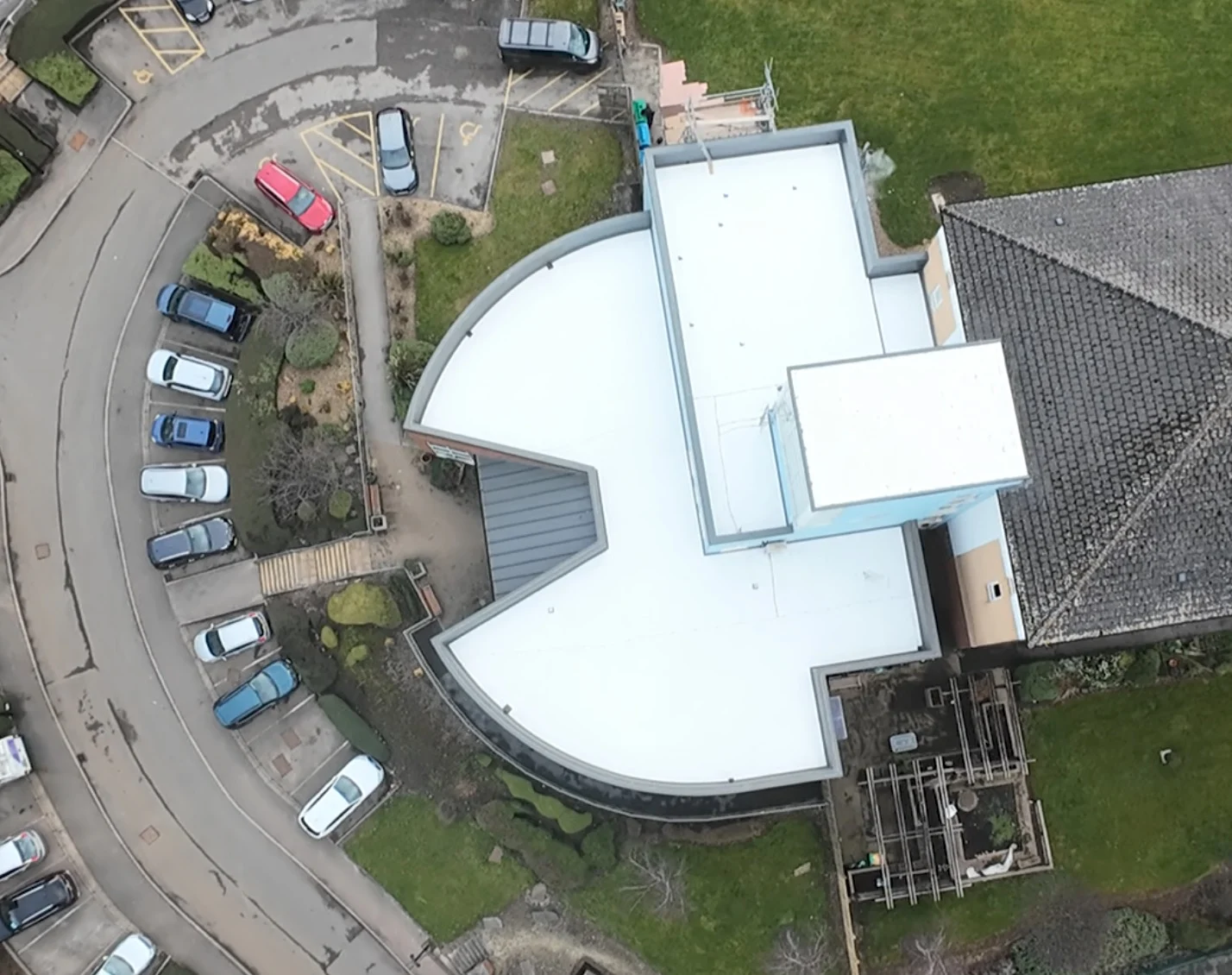
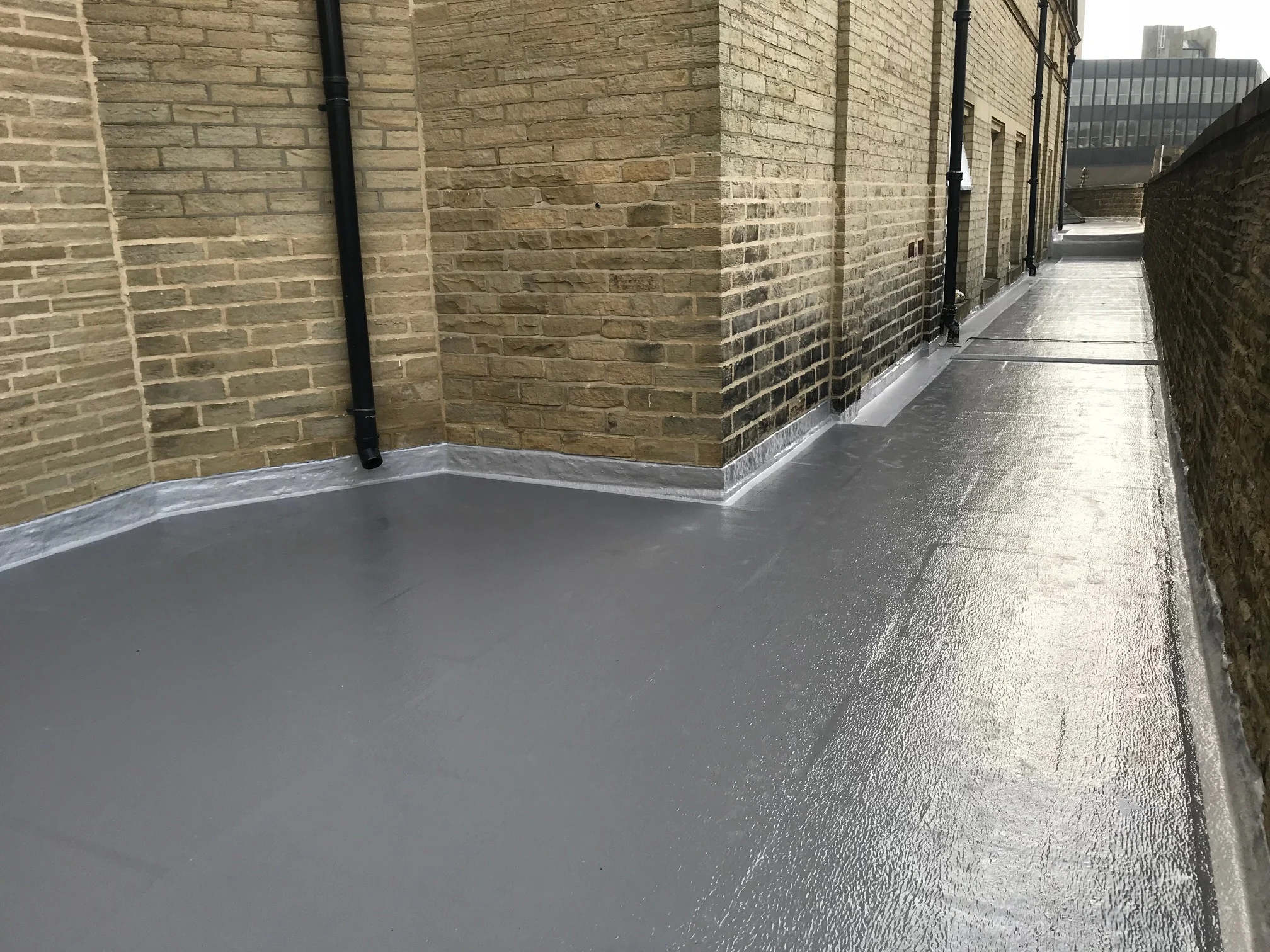
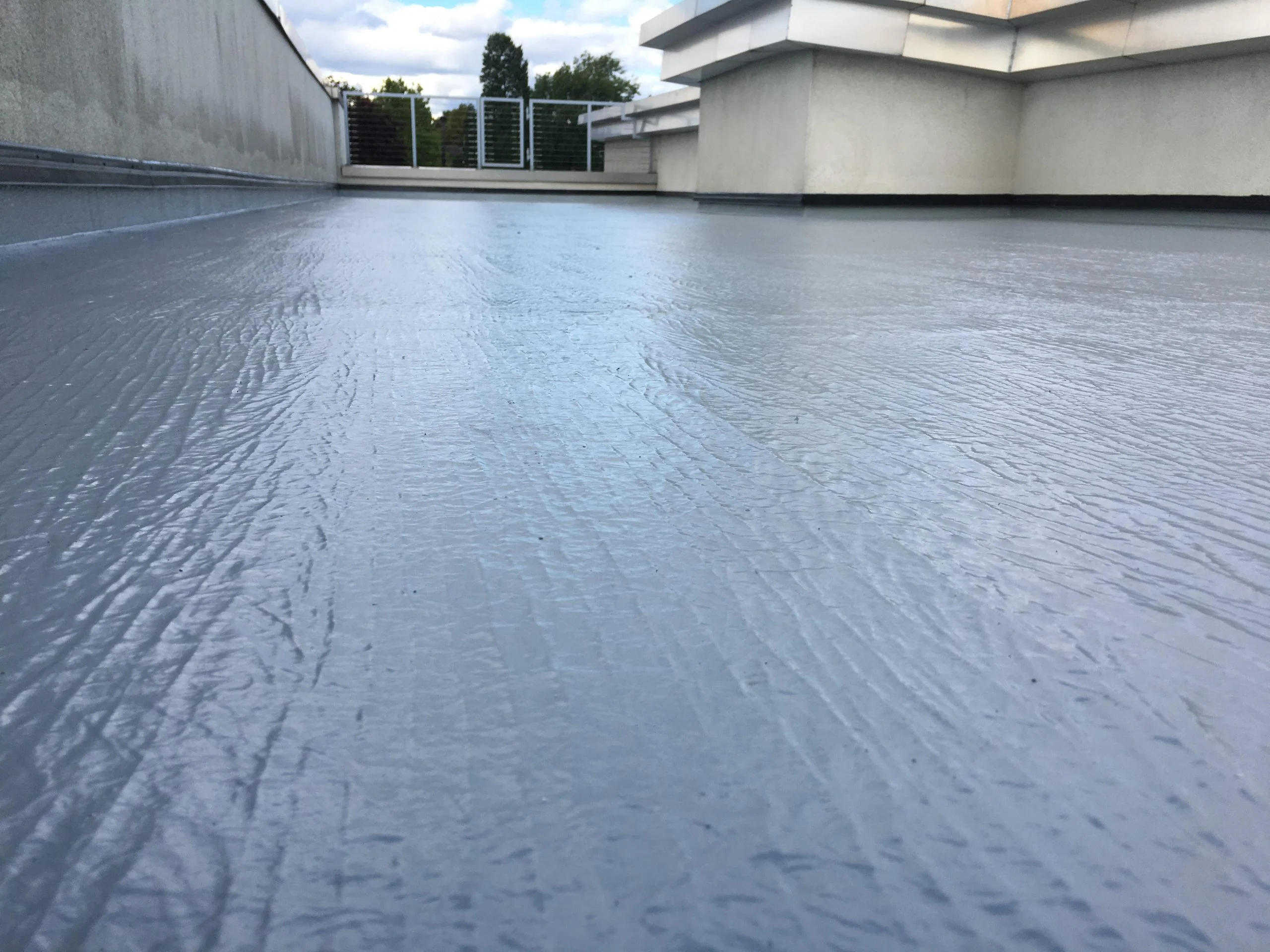
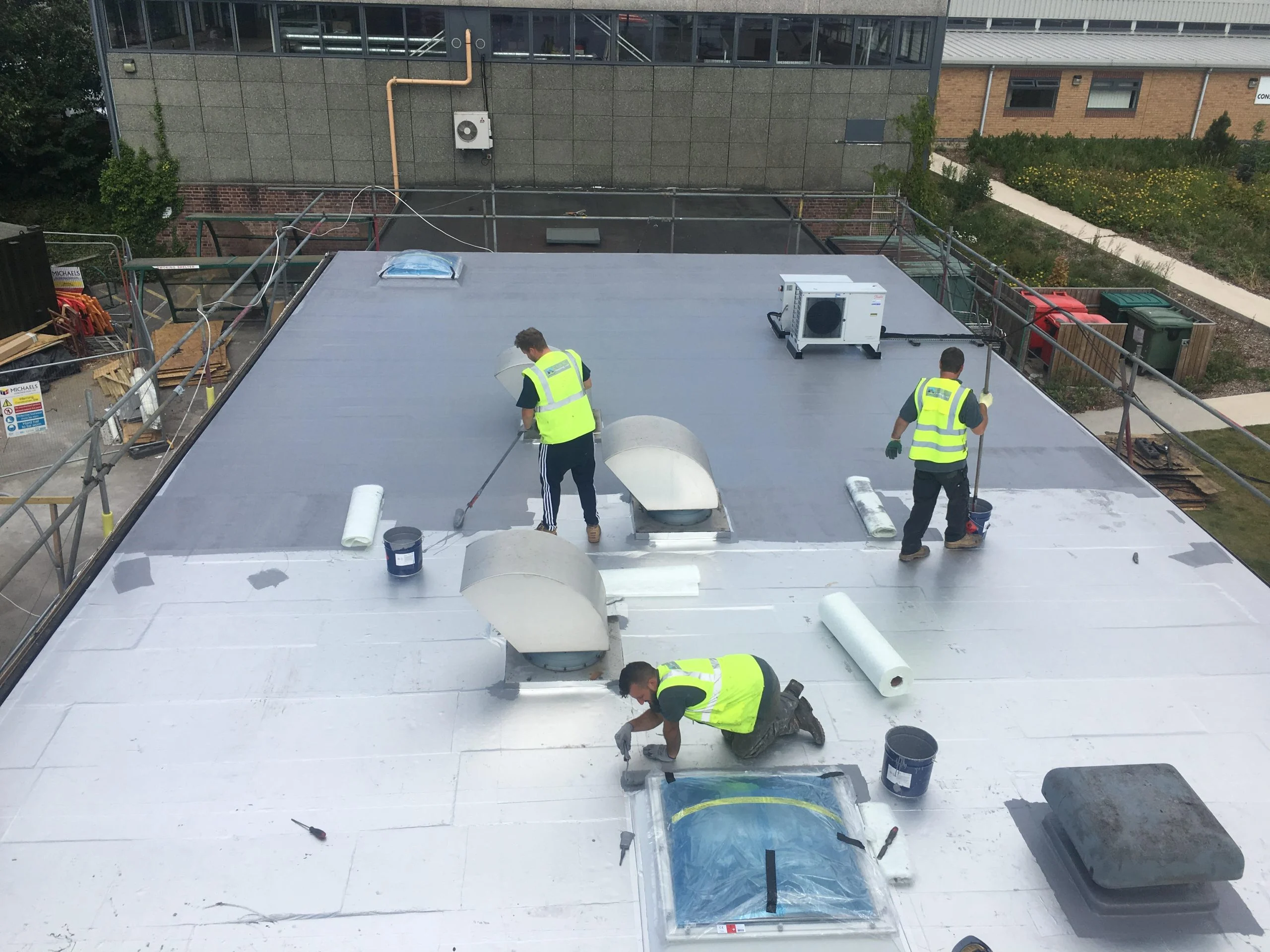
Liquid roofing involves the application of a monolithic (totally seamless), fully bonded, liquid-based coating to a roof. The coating cures to form a rubber-like, waterproof elastomeric membrane that stretches and returns to its original shape without damage. Such coating systems are usually reinforced with secondary materials such as polyester fleece, glass-reinforced plastic, or fibreglass chopped strand mat to provide additional tensile strength. The coatings can be applied over most traditional roofing materials, including felt, asphalt, bitumen, PVC, and single-ply.

Cost-Effective Liquid Roofing

Liquid roofing is a cost-effective way to make a new or existing roof waterproof. It can deliver up to 25 years of performance depending on the coating system employed. It is estimated that liquid roofing is 70% less expensive than overall roof replacement in refurbishment situations.

When systems are coming to the end of their warranty period, the warranty can usually be extended back to the original 10-25-year period by cleaning and applying additional top coats. Such methods offer significant cost savings, as waterproofing layers have been installed, which would have cost up to 70% of the original budget.
Liquid Roofing
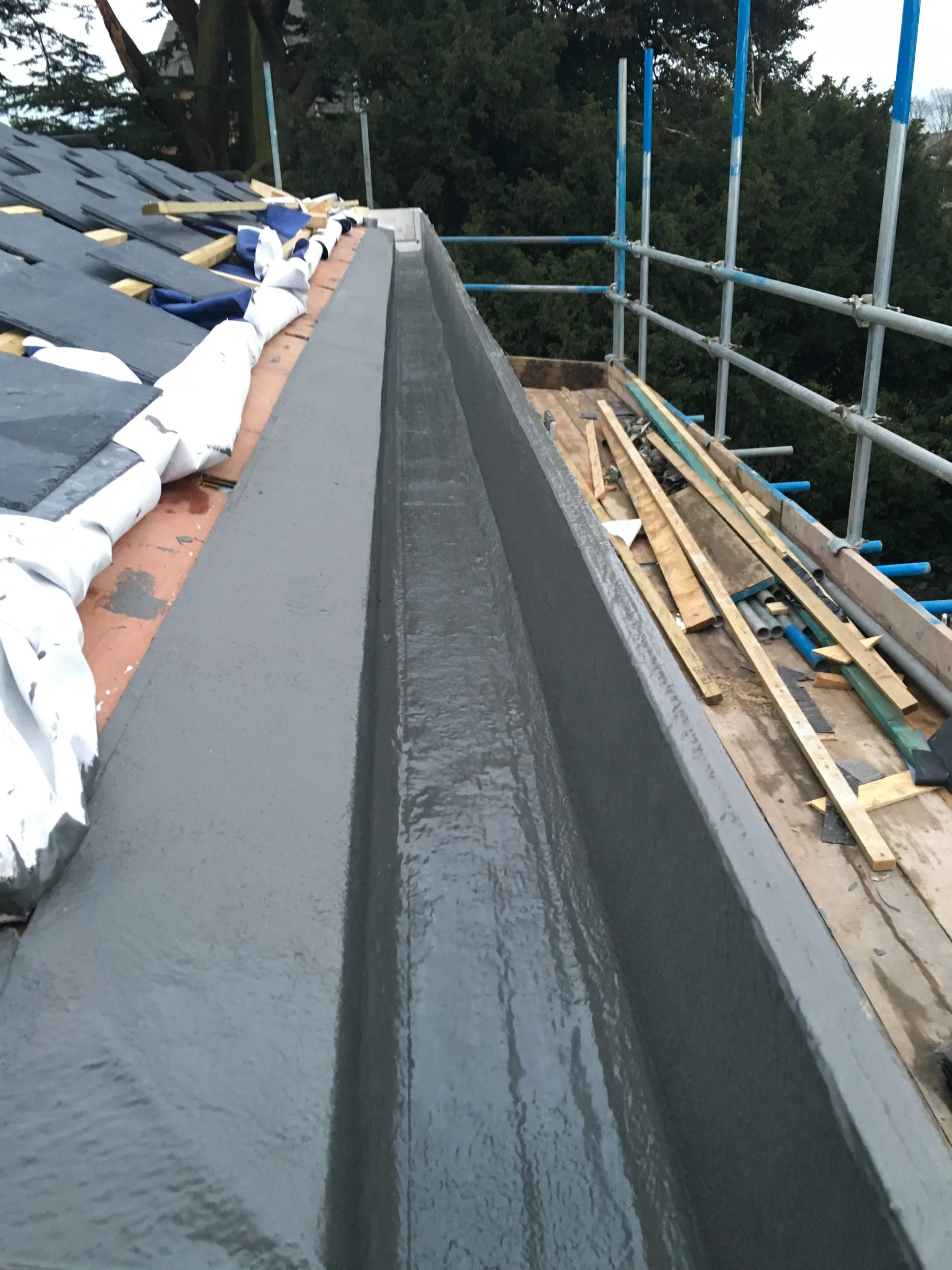
Liquid-Applied Waterproof Gutter Lining

High Performance, Safe Roofing

Liquid roofing can be undertaken with high-performance materials. Many of the products used in the liquid roofing process have been independently tested and their performance verified. In the United Kingdom, the leading testing and approvals house the British Board of Agreement (BBA) has been issuing approvals for liquid roofing systems since 1975.

Unlike the installation processes for felt, asphalt, and bitumen membranes, liquid roofing does not involve hot work. Hot work on roofs is an extremely high-risk process that poses significant fire hazards to contractors, the building, and its occupants. The coating material used in the liquid roofing process is applied cold, thus negating any fire risk.

Cure Group - Specialists in Liquid Roofing & Non-Slip Floor Coatings
Paul Davies

Managing Director

Let me help with your enquiry today
Call me at our Sheffield office

Frequently Asked Questions

A liquid-applied roof membrane is a seamless, waterproof coating applied directly to the roof surface to protect it from water ingress and weathering. It forms a durable, flexible barrier that adheres tightly to the substrate, creating a watertight seal.

Liquid-applied roof membranes offer several advantages. They provide seamless protection, eliminating the need for joints and seams common to traditional roofing systems. They can be applied to various types of roofs, including complex or irregularly shaped surfaces. These membranes are also highly durable, UV-resistant, and can be easily repaired or recoated if needed.

The lifespan of a liquid-applied roof membrane can vary depending on factors such as product quality, installation techniques, and environmental conditions. However, a properly installed and maintained liquid-applied roof membrane can last for 25 years or more.

Yes, liquid-applied roof membranes are suitable for a wide range of roof types, including flat, pitched, metal, and concrete roofs. They can be applied to both new construction projects and existing roofs as part of a roof restoration or refurbishment.

The installation process for a liquid-applied roof membrane involves several steps. First, the roof surface is cleaned and prepared, ensuring it is free of debris, dirt, and loose material. Then, a primer may be applied to enhance adhesion. The liquid membrane is then applied using a brush, roller, or spray equipment, following the manufacturer’s instructions. Multiple coats may be required to achieve the desired thickness and coverage.

Yes, one advantage of liquid-applied roof membranes is that they can be easily repaired if damaged. Small punctures or tears can be patched using compatible liquid membrane materials. In cases of significant damage, a professional roofing contractor can assess the extent of the damage and recommend appropriate repair methods.

Regular maintenance is important to ensure the longevity and performance of a liquid-applied roof membrane. It is recommended to inspect the roof periodically for signs of damage, such as cracks or blistering. Clean the surface to remove dirt and debris that can accumulate over time. It is also advisable to perform any necessary repairs promptly to prevent further damage or water infiltration. Additionally, consulting the manufacturer’s guidelines for specific maintenance recommendations is beneficial.

Liquid-applied roof membranes are often formulated for application over a wide range of temperatures. However, it is important to follow the manufacturer’s guidelines regarding application temperature limits. Some liquid membranes may require specific temperature conditions to ensure proper curing and adhesion, so it is essential to consult the product data sheet or technical documentation.

Yes, liquid-applied roof membranes can be used for green roof installations. They provide an effective waterproofing layer that protects the underlying structure from water damage while allowing for the installation of a green roof system above. The liquid membrane.

Quality Roof & Floor Coating Brands

We use the highest quality liquid roofing & floor coating products

Liquasil
Polyproof Advanced Liquid Roofing
Remmers
Centaur Seamless Roofing Protection
Sika Liquid Roofing
Sharmans

Contact Us Today

Whether you’re looking for new roofing installations, roof repairs, or roof coatings to protect your property, our experts are here to help.

“Paul and his team at Cure Group have been invaluable to many branches of our company over the years, helping us upgrade our offices and warehouses to future-proof them. Thank you all.”


Cure Roofing, Sheffield
Cure Group
Sheffield

By submitting your data, you agree to be contacted by Cure Group